Why Localize Video Content?
Video is the dominant format for online content consumption. Studies consistently show that audiences watch longer and engage more deeply with content in their native language.
For businesses, localized video translates directly into higher conversion rates, stronger brand affinity, and measurable revenue growth in new markets.
The Localization Process
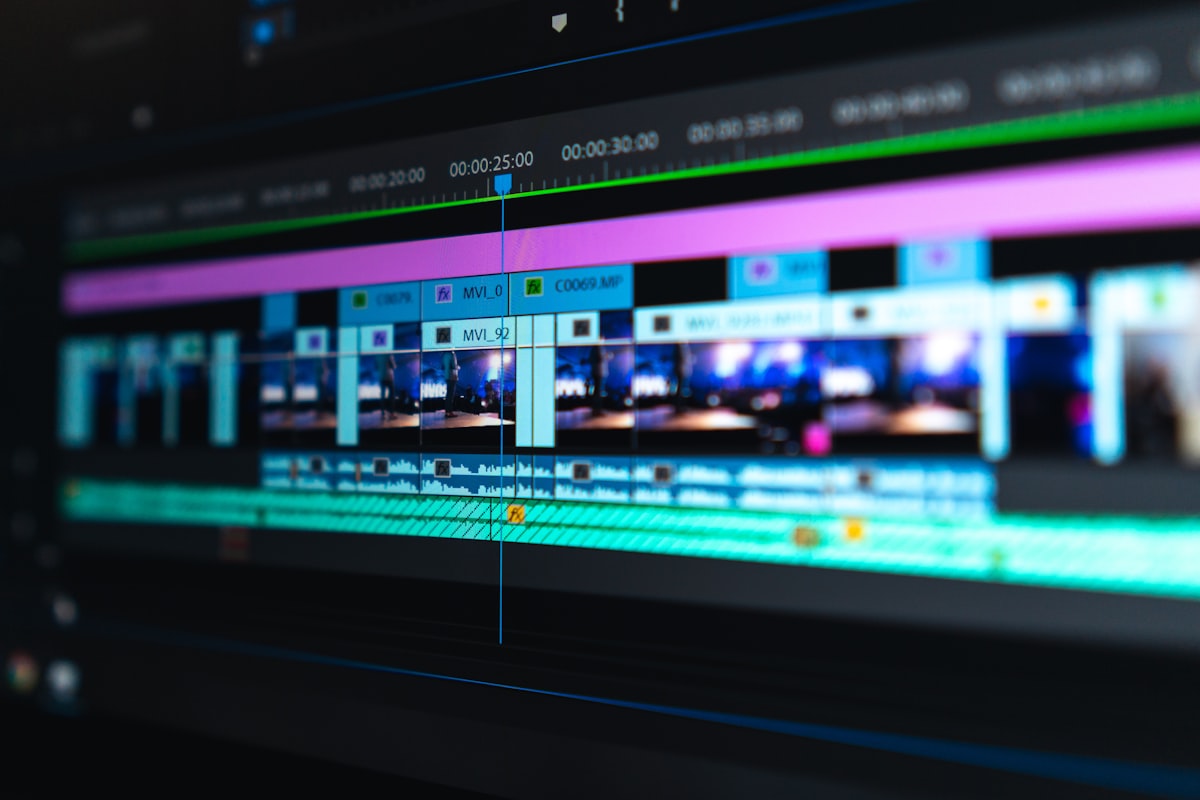
Effective video localization goes beyond subtitle translation. It involves adapting on-screen text, replacing voice-over audio, adjusting graphics that contain language, and ensuring that cultural references land correctly for the target audience.
A professional localization workflow includes a translator, a cultural reviewer, and a post-production editor who integrates the changes into the final video asset.
Cultural Sensitivity Matters
A word-for-word translation that ignores cultural context can alienate the very audience you are trying to reach. Colors, gestures, humor, and idiomatic expressions all carry different meanings across cultures.
Skilled localization teams identify these risks and adapt the content so it feels native rather than foreign — this is the difference between translation and true localization.
Measuring Success
Track localized content performance through watch time, engagement rate, and conversion metrics broken down by region and language. These data points reveal which markets respond best to which formats, allowing you to prioritize future investment.
Most organizations see a measurable lift within the first 60 days of launching localized content.
Final Thoughts
Content localization is one of the highest-ROI investments a global brand can make. With AI-assisted workflows and an expert team behind the quality gate, HOF Global can take your existing video library and make it work for audiences around the world.